
 Boredom, stress , anxiety, and tiredness are often some of the main reasons we eat less healthily .
When you are stressed, you crave f ood that is easy to digest and it releases energy quickly to help you fight or runaway – particularly sugar and white carbohydrates.
Lack of sleep can also be a contributory factor and reseach shows that we may eat almost 400 more calories per day than we sleep well and lack of sleep also has an impact on our immune system. Being sleepy also increases hunger hormones.
Two thirds (67%) of UK adults suffer from disrupted sleep and nearly a quarter (23%) manage no more than five hours a night.
We may also have become an emotional eater from a very early age .
Children who eat more or less when stressed or upset have learned the behaviour rather than inherited it.
A study by University College London found home environment was the main cause of emotional eating.
At certain times , when parents are dealing with upset children they may give them their favourite food to soothe them, which can lead to “emotional eating and an unhealthy relationship” said senior lead researcher Dr Clare Llewellyn.
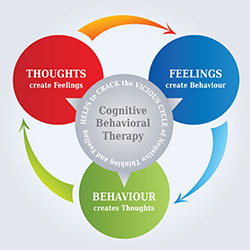
There are other habits we form through learnt behaviour that are triggers and working together, they can be identified and you we can create new neural pathways that moves you away from a need to use emotional eating to deal with issues.
A tendency to want to eat more can be a response to negative emotions and by working through the triggers , you can find more positive strategies to regulate your emotions, rather than using food.
Food rarely fixes problems and it can’t help you process difficult things , so we have to look beyond food as a way of coping with challenges.
When we eat, we produce dopamine, the brain chemical response for rewards and pleasure , particularly those high in fat and sugar, and you get a quick fix, instant gratification for the least effort. However after your cravings have been satisfied and over a period of time, you begin to put on weight, different emotions can quickly follow of guilt, and regret, leading to low self esteem which can increase the stress and anxiety within you.
So how can we try to overcome emotional eating?
I would like to share a few tips that can help you.
Before eating, take a pause and ask yourself if you are hungry or bored, lonely, fatigued, or stressed?
Consider how what you choose to eat makes you feel . Is it better, worse or no change
Only have healthy foods and snacks in the house as you are less likely to eat sugars and white carbohydrates .
Eat at regular intervals to sustain energy throughout the day.
Think of another behaviour that is not related to food deal with the emotion you are feeling?
If you find yourself emotionally eating and you dont feel able to control it , remember these are not normal times and you may need to get some support in how to create positive changes . For further information and advice https://ame4change.co.uk/contact-us/
And a testimonial from one of my clients that may encourage you that you can choose to change .https://ame4change.co.uk/testimonial/food-intolerance-weight-mgt-and-cbt-mindfulness-life-coaching/
Leave a Reply